01 · Decoding
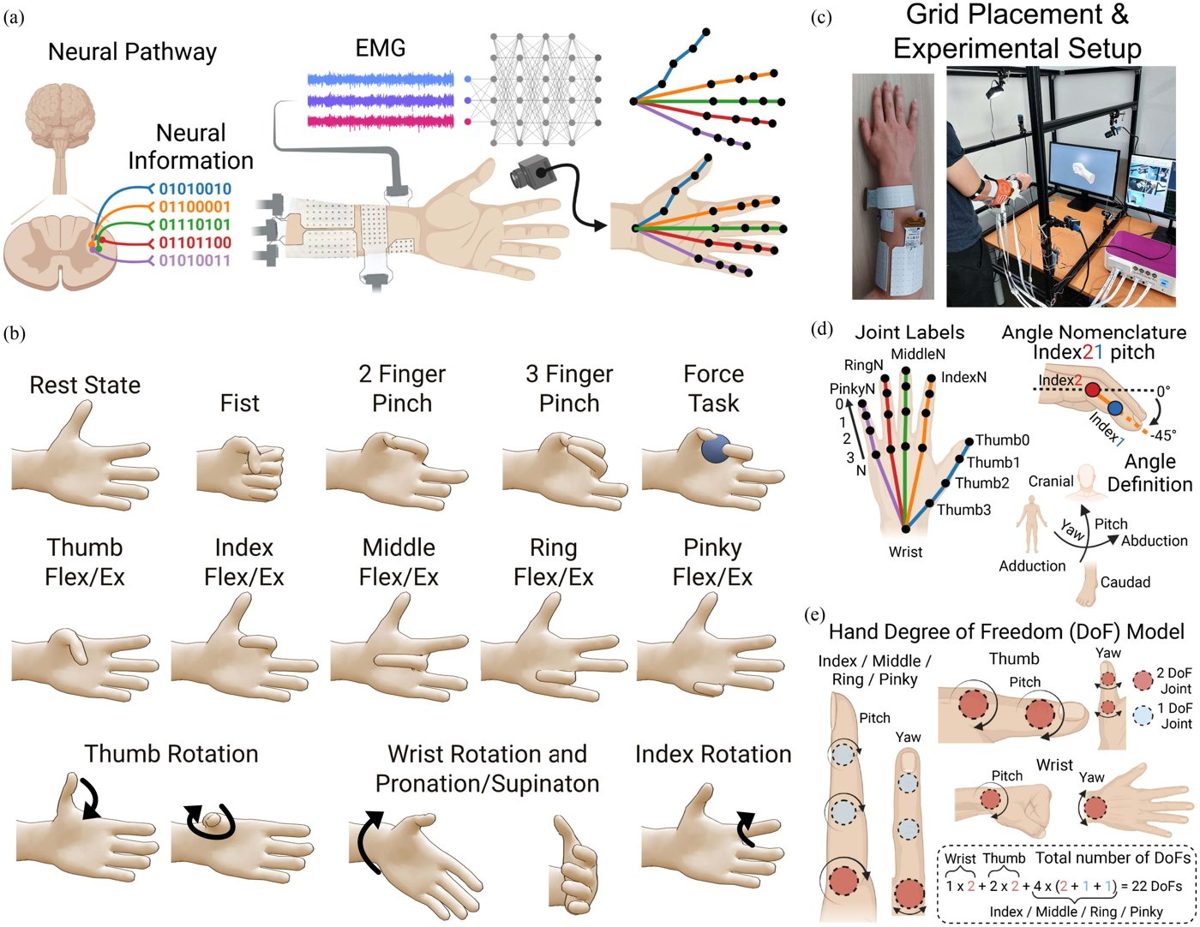
Decoding hand movement from forearm EMG
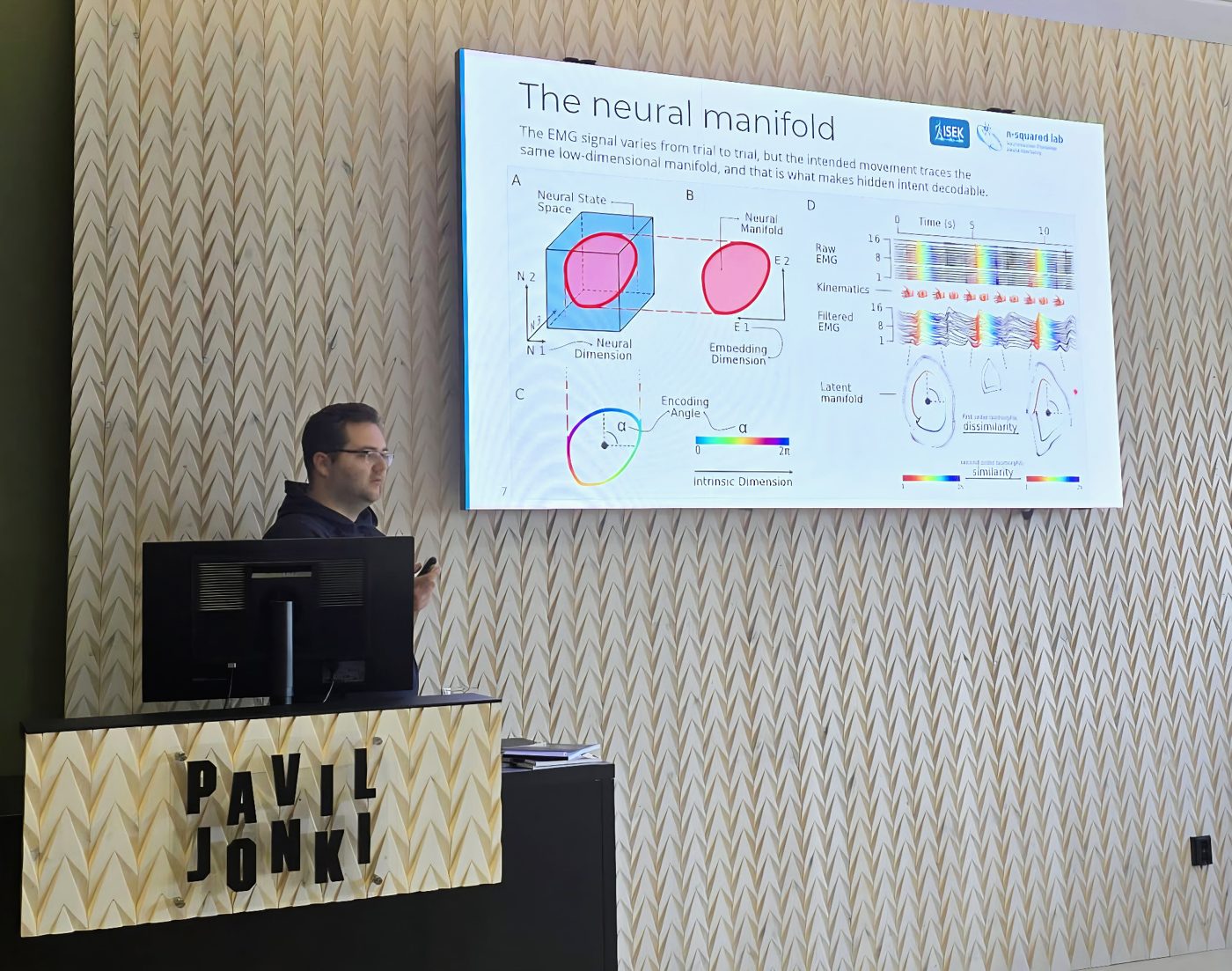
We use forearm muscle recordings to estimate hand movement in real time, then investigate what the network learns.
I build neural interfaces that turn muscle activity into control of virtual hands, orthoses and prostheses.

Self-described content creator for journals.
Featured work
We use forearm muscle recordings to estimate hand movement in real time, then investigate what the network learns.
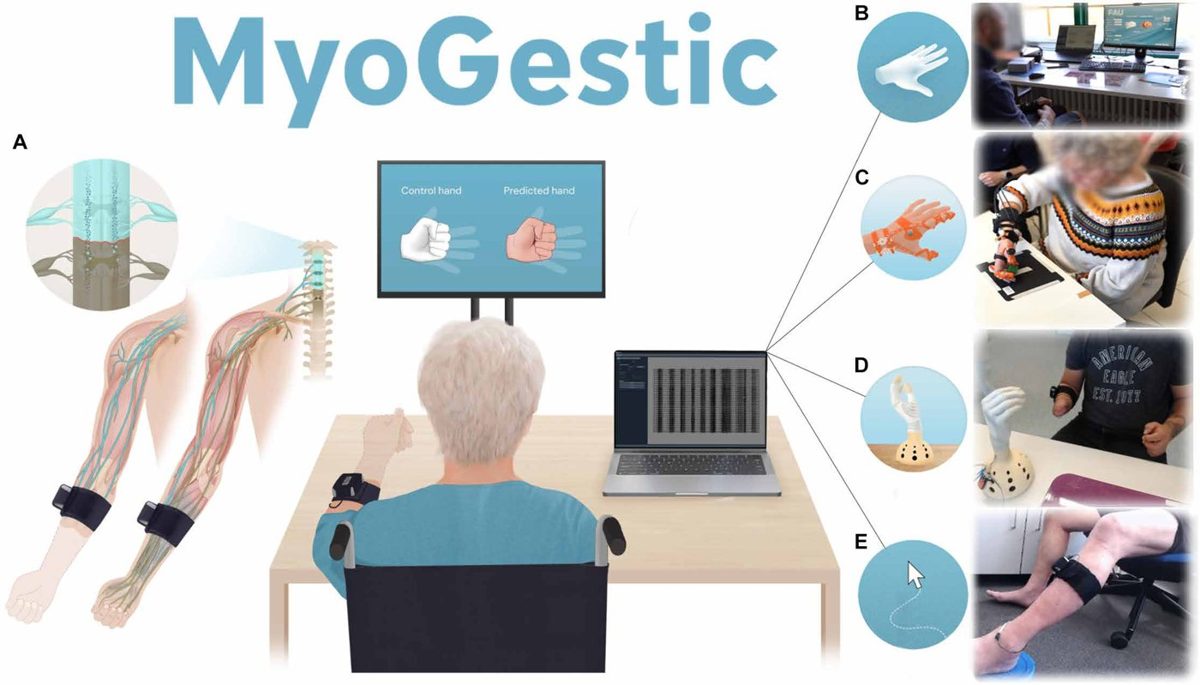
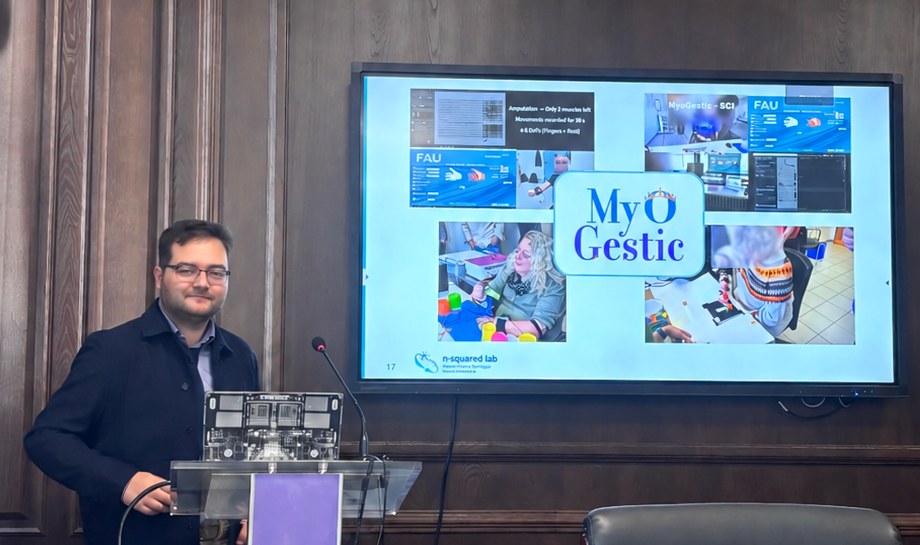
We train decoders with participants to turn spared muscle activity into control of assistive devices.
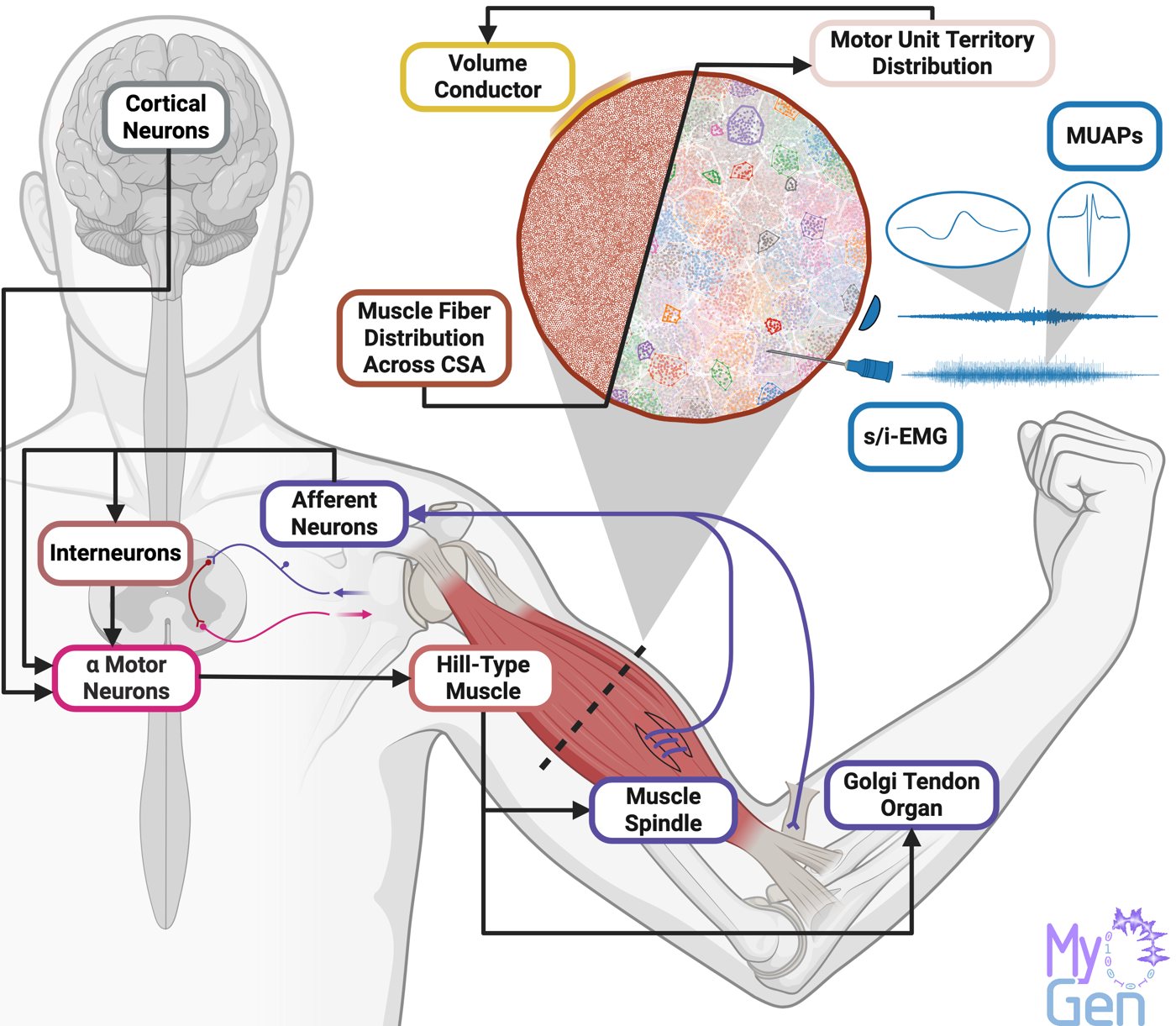
MyoGen links models of neural drive, muscle and EMG, letting us test decoders against known simulated signals.
Papers
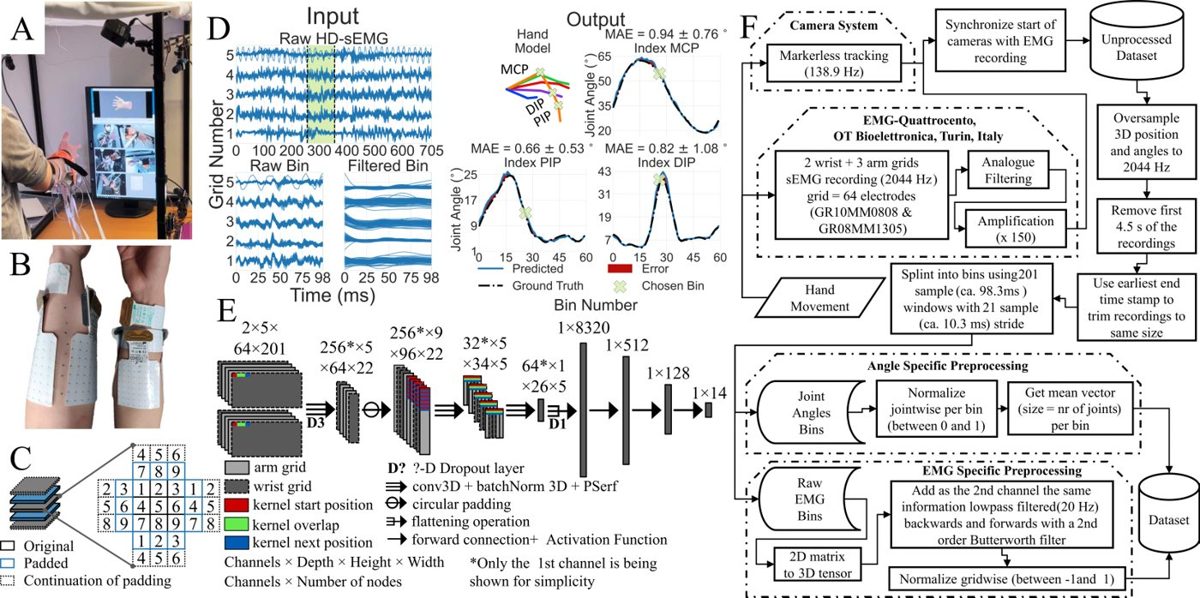
14 jointspredicted from forearm EMG, 2.78° mean absolute error
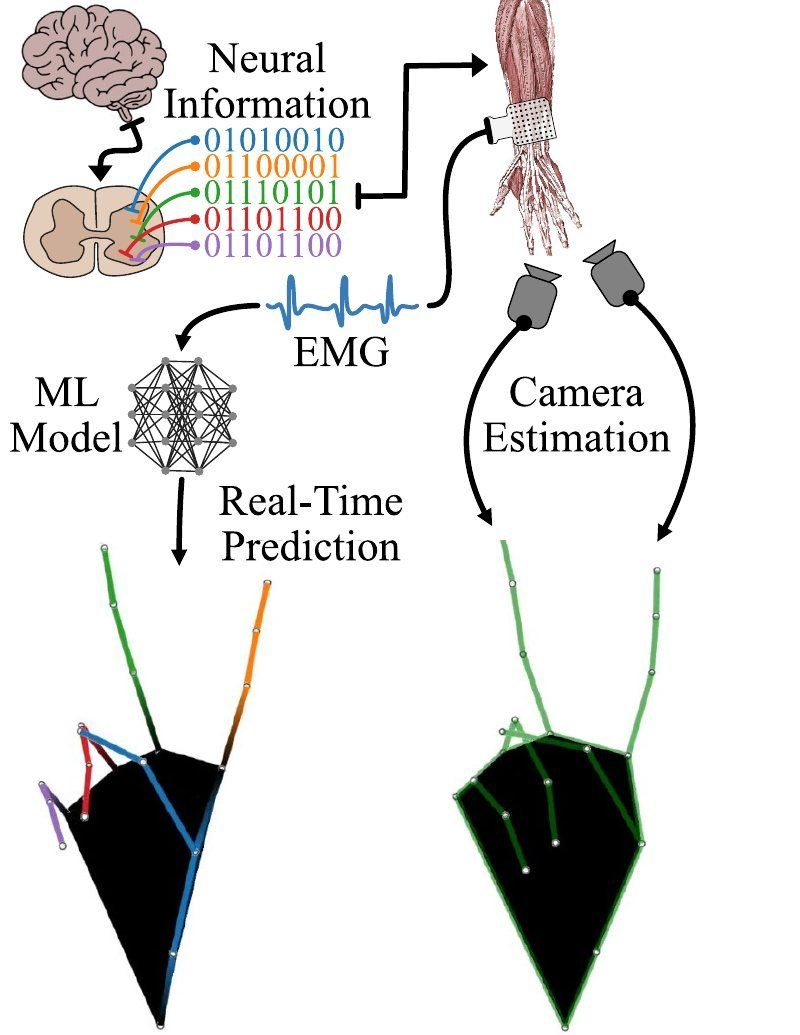
>20 DoFdecoded live, under 50 ms latency, 32 predictions a second
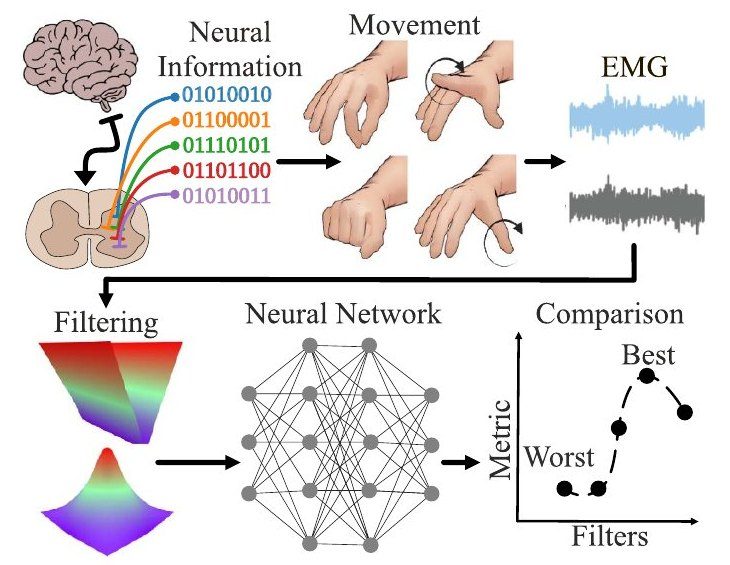
320electrodes; best with all of them and no low-pass filtering
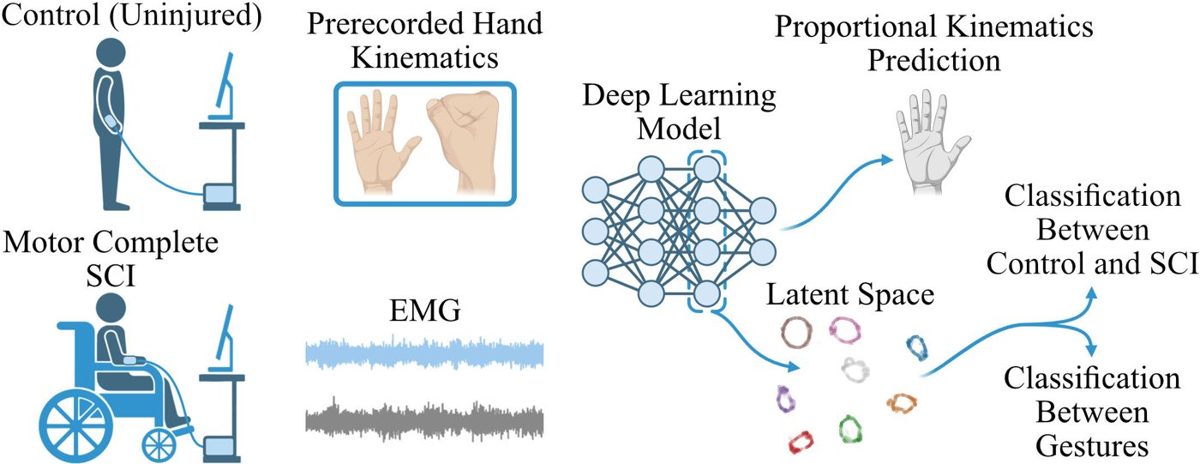
98.3%mean accuracy across 8 attempted movements, 8 tetraplegic participants
Cortex to EMGsimulation of neural drive, muscle force, and surface and intramuscular EMG
Software
Tools
Records several Lab Streaming Layer streams in sync to Zarr, with tools to manage and analyse the recordings.
Streams the OT Bioelettronica Muovi EMG device into Lab Streaming Layer in real time.
Streams the OT Bioelettronica Sessantaquattro into Lab Streaming Layer in real time.
Label keypoints on a few frames; CoTracker3 tracks them through the rest of the video.
Lets Claude, Codex and ChatGPT add papers and books to Zotero by DOI, arXiv ID or ISBN, and manage collections and tags.
Live previews of every git branch of your websites, on your own Synology NAS behind its login.
Watches German and EU funding calls, ranks them against a researcher’s confirmed capabilities and drafts project concepts.
Book desks and rooms in Seatsurfing from Claude Code.
Preview machine-learning model files in Finder with Netron: select one and press Space.
Fills PDF forms with text and checkboxes so they render correctly in any viewer.